A bad story can fly around the world overnight.

A mistake. An accusation. A viral post.

Millions of people will make up their minds based on a headline. Reporters will call every number they can find.

If you’re in the story, it could be one of the worst days of your life.

The Crisis Team can get you through the first day, and whatever comes next.

  • The news follows the path of maximum controversy. Mistakes, attacks, and scandals will get coverage. Speeches, policies, and good news might not. — The Crisis Method
  • Bad news has no business hours. A story can break at any hour and spread worldwide overnight. A weekend will not stop the news from following the path of maximum controversy. — The Crisis Method
  • People before press releases. Protect people, contain the harm, and provide practical help. In a crisis, these duties come first. — The Crisis Method
  • In a real crisis, spin will not work. Identify a remedy before polishing the prose. A perfectly worded statement does not cure a faulty policy. — The Crisis Method
  • Good judgment beats good copy. Verify the facts, compare the options, and weigh their likely consequences. An appealing message is not, by itself, a reason to choose a course of action. — The Crisis Method
  • Swiftly correct the false claims most likely to cause harm. Lead with verified facts, identify the falsehood without lingering on it, and explain the evidence disproving it in plain English. — The Crisis Method
  • Sympathetic words are insufficient. They can’t stop preventable harm, help frustrated customers, or excuse a leader’s inaction. Statements must focus on the remedy and its timeline. — The Crisis Method
  • Twitter is not a real place. Social media can reveal trouble or an emerging issue, but it does not reliably measure public opinion. — The Crisis Method
  • Polling and research can expose mistaken assumptions and unclear language. It cannot decide what is right or rescue a bad policy. — The Crisis Method
  • Use humor sparingly. Sarcasm is generally more satisfying to the speaker than persuasive to the listener. — The Crisis Method
  • Errors are not entitled to tenure. Correct them in your public communications promptly and visibly. State what was wrong and supply verified facts. — The Crisis Method
  • Don’t keep your own people in the dark. They should hear from you before they hear about you. Brief staff, advisors, and your own family before or concurrently with public briefings. — The Crisis Method
  • A message triangle helps a speaker remember three themes. In a crisis, a typical triangle is current facts, actions taken, and what comes next. Use the corners to organize your answers. — The Crisis Method
  • Disagreements aren’t lies. Criticism and inconvenient facts are not misinformation. Disliking a claim does not make it false. Liking a claim does not make it true. — The Crisis Method
  • Give your communications lead a role in major decisions, not merely in announcing them. In any organization, those responsible for explaining its conduct need a voice in shaping it. — The Crisis Method
  • Everything is on the record. Treat every exchange with a journalist as publishable and attributable unless there is an explicit agreement beforehand. — The Crisis Method
  • Build a deep bench of speakers. One exhausted person can’t be on duty 24/7 as a crisis drags on. Train backups, and give them the same set of verified facts. — The Crisis Method
  • Build a crisis plan. Identify likely threats and warning signs. Name a response leader, deputy, and team. Establish notification deadlines, approval procedures, and templates. — The Crisis Method
  • Update your crisis plan. Maintain current contacts, update backup plans, and keep a record of decisions. A plan that nobody can use is merely a document. — The Crisis Method
  • Build relationships with reporters, supply them with reliable information, and respond to them promptly. — The Crisis Method
  • Keep working with journalists when tempers rise. A tight deadline is not evidence of bad faith. — The Crisis Method
  • Speak beyond the briefing room. Address a reasonable person following the news, and squarely address what that person would want to know. The gaggle is a means of reaching that person. — The Crisis Method
  • Journalists and editors can influence coverage, but their interest guarantees neither publication nor favorable treatment. A friendly lunch today cannot prevent a bad headline tomorrow. — The Crisis Method
  • The humans must remain in charge. In a crisis, pause scheduled promotions and automated replies. — The Crisis Method
  • Designate a person to closely supervise any AI use. Check facts, sources, and tone before anything is shared. Confidence is one of many things a machine can produce without evidence. — The Crisis Method
  • Put affected people first. The loudest voice may not belong to the person in greatest danger. Communicate according to harm, risk, and legitimate need. — The Crisis Method
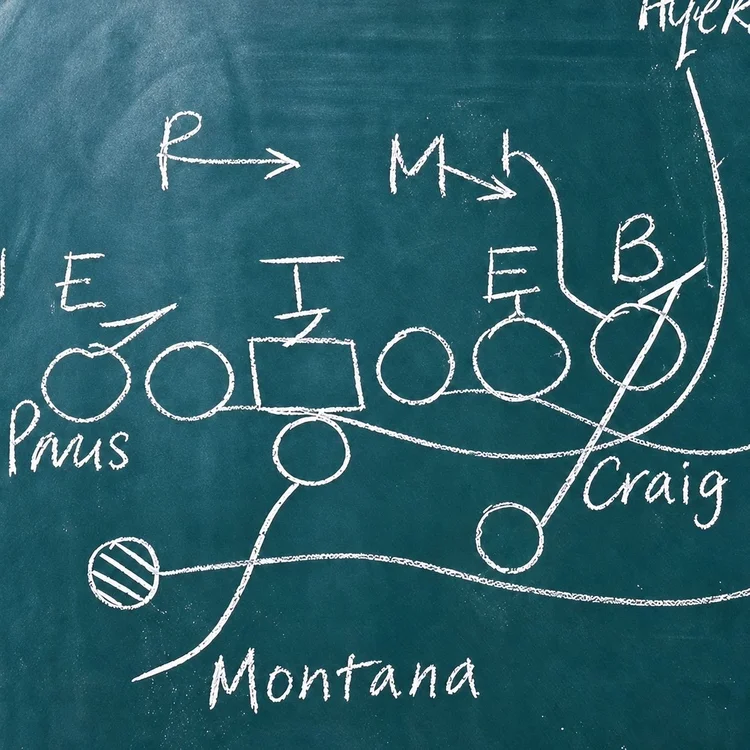
  • Scrimmage often. Rehearse with incomplete facts, an absent chief executive, a disabled website, a fake recording, and hostile questions. — The Crisis Method
  • Scrimmage well. Discuss failures, fix weaknesses, and scrimmage again. An exercise that flatters the leadership team needs harder questions. — The Crisis Method
  • Give every message a job. Decide whether the message should warn, explain, correct the record, reassure with evidence, or guide action. — The Crisis Method
  • The delivery must fit the situation. Be attentive and composed. Consider those affected by the crisis. — The Crisis Method
  • Match your tone to the circumstances. A smile can seem callous; nodding can imply agreement. An eyebrow can issue a statement of its own. — The Crisis Method
  • The whistleblower is not the crisis. Take allegations seriously without making the whistleblower the problem. — The Crisis Method
  • The camera sees more than words. Choose a format, setting, and manner that suit the situation. Assume that images and clips may be shown without their original context. — The Crisis Method
  • Disparagement signals a weak case. When an adversary is wrong, show why. Address the argument without vilifying the person. Insults can alienate undecided people who might otherwise accept your facts. — The Crisis Method
  • Expose online manipulation, but investigate first. Do not dismiss genuine evidence as a deepfake or accept a convincing fabrication as fact. A million views are not a million witnesses. — The Crisis Method
  • A persuasive message is (1) a discrete body of information (2) drawn as a comparison (3) communicated to a narrow body of people who have not yet made up their minds. — The Crisis Method
  • “I don’t know” is a good answer. When you do not know an answer, say so and explain how you will check. Promise a follow-up only if you can deliver it. — The Crisis Method
  • TikTok is not a poll. Online anger may reflect a vocal minority or an organized campaign. Rely on sound polling and message testing. Volume alone does not prove consensus. — The Crisis Method
  • Make the point easy to find. Lead with the most important information and one clear action whenever possible. Use familiar words, short sentences, and concrete instructions. — The Crisis Method
  • Investigate yourself. Undertake a review led by qualified investigators. Preserve records and prohibit retaliation. Respect privacy and treat complainants and the accused fairly. — The Crisis Method
  • Declutter your central message. Offer supporting detail separately so people can read more if they choose to. Repeat the central message consistently, updating it as facts change. — The Crisis Method
  • Maintain one authoritative incident page with searchable updates, corrections, and a “reading room” of documents. The facts should not require a search party. — The Crisis Method

What We Do

Help People

The Crisis Team helps people when they are in trouble. When a person, or an organization they lead, is involved in a controversy that attracts media scrutiny, we design and execute an effective response.

Solve Problems

Good press coverage alone seldom resolves a crisis. The Crisis Team takes a hard look at what caused the controversy and what can be done about it. The solution may be a quiet one: fixing what went wrong, settling the matter privately, or making amends.

Tell The Story

A story is more than facts. Reciting facts tells us only that one event followed another. A story connects the facts to decisions, motives, and consequences. We help you get the real story out there.


How We Do It

Our work is guided by The Crisis Method, a playbook distilled from decades of practical experience in crisis communications.

Practice Areas

Services